
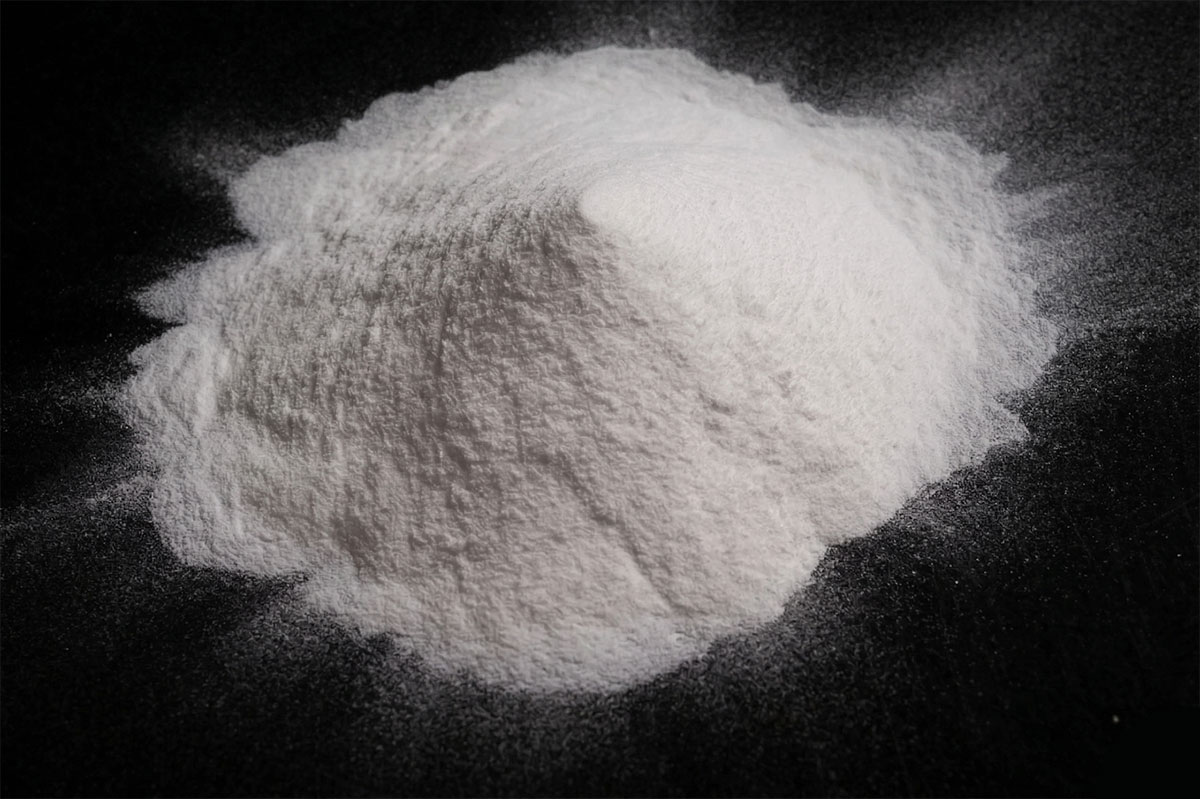
After a hydrocarbon or ethanol extraction run, your crude oil contains more than cannabinoids and terpenes. Chlorophyll, carotenoids, waxes, lipids, and other polar impurities follow the solvent out of the plant material — and they end up in your product. The result is a dark, green-tinted crude that requires post-processing before it's suitable for distillation, product formulation, or sale.
Silica 60A is one of the most widely used filtration media for addressing exactly this problem. It's a synthetic silica gel adsorbent that pulls polar impurities out of solution selectively, without the aggressive stripping associated with some bleaching clays. Used correctly, it's a straightforward, effective tool for cleaning up crude extract and improving the quality of downstream fractions. This article covers what silica 60A is, how it works mechanistically, where it fits in a post-processing stack, and how to run it in practice.
What Is Silica 60A?
Silica 60A — also referred to as silica gel 60Å or porous silica — is a synthetic, amorphous form of silicon dioxide (SiO₂) manufactured with a controlled, uniform pore size of approximately 60 angstroms (Å). The "60A" designation refers specifically to this average pore diameter, which distinguishes it from other silica gel grades such as silica 40Å or silica 150Å. The larger the pore size, the more surface area is accessible to larger molecules; 60Å offers a balance of high surface area and broad-spectrum adsorption suitable for most extraction post-processing applications.
The particle surface is covered with silanol groups (Si–OH), which are polar and slightly acidic. This surface chemistry is responsible for the media's adsorptive behavior: polar molecules like chlorophyll, oxidized lipids, and some pigment compounds form hydrogen bonds with these silanol groups and are retained on the media as your extract solution passes through. Non-polar cannabinoids like delta-9 THC, CBD, and CBG pass through with minimal interaction under normal operating conditions.
Silica 60A is a synthetic silica gel adsorbent with an average pore diameter of 60 angstroms. In cannabis extraction, it is used as a post-processing filtration media to selectively remove chlorophyll, carotenoids, lipids, and other polar impurities from crude extract, improving color and reducing the load on downstream distillation. It is effective in both hydrocarbon (BHO) and ethanol-based workflows.
How Does Silica 60A Remove Impurities from Cannabis Extract?
Silica 60A works through a process called adsorption — not to be confused with absorption. Adsorption is a surface phenomenon: target molecules attach to the exterior surface of the silica particle rather than being drawn into it. As the extract-laden solvent flows through or over the silica bed, polar impurity molecules bind to the silanol groups on the silica surface and are held there while the rest of the solution continues through.
The selectivity of silica 60A is driven by polarity matching. Chlorophyll is a relatively polar molecule — its porphyrin ring structure and associated functional groups interact strongly with the silanol surface. Carotenoids (the yellow and orange pigments often present in cannabis crude) are less polar than chlorophyll but still sufficiently polar to be partially adsorbed. Long-chain lipids and waxes are removed as well, which is valuable for operations that want to reduce wax load prior to distillation or before formulating a vape product.
The solvent carrying your extract matters. Silica 60A performs best in a non-polar or mildly polar solvent environment — which is why it integrates naturally into hydrocarbon (butane/propane) post-processing and works well in ethanol systems when the ethanol has been partially evaporated or when the run is conducted in a non-polar co-solvent mixture. In highly polar solvent systems, competitive adsorption from solvent molecules can reduce the media's effectiveness.
Silica 60A vs. Other Filtration Media: When to Use Each
Silica 60A is one tool in a post-processing stack, not a universal solution. Understanding how it compares to other common media helps you choose the right approach — or the right combination — for your material and target output.
| Media | Primary Function | Color Remediation | Lipid / Wax Removal | Cannabinoid Risk | Best Used For |
|---|---|---|---|---|---|
| Silica 60A | Polar impurity adsorption | Moderate–High | Moderate | Low (at standard ratios) | General color cleanup, hydrocarbon & ethanol post-processing |
| B80 Bleaching Clay | Aggressive color stripping | High–Very High | High | Moderate (if overused) | Dark crude, heavily pigmented material, pre-distillation cleanup |
| Activated Alumina | Polar compound removal | Low–Moderate | Low–Moderate | Low | Phospholipid removal, moisture control, stacking with other media |
| Activated Carbon | Broad-spectrum organic removal | High | Moderate | High (non-selective) | Odor/taste correction; use with caution — strips cannabinoids |
| Magsil / Magnesol | Phospholipid & polar impurity removal | Moderate | High | Low | Ethanol crude cleanup, pre-distillation wax reduction |
| Diatomaceous Earth (DE) | Mechanical particulate filtration | Minimal | Minimal | Very Low | Pre-filter layer; removes suspended solids ahead of adsorptive media |
In practice, many extraction operations stack media in series. A common configuration is a bed of diatomaceous earth as a pre-filter to remove particulates, followed by silica 60A for general color and polar impurity removal, with B80 bleaching clay added behind it when a lighter output color is required. This approach preserves the gentler adsorption profile of silica 60A while allowing B80 to handle residual pigment load.
How to Use Silica 60A in Your Post-Processing Workflow
Silica 60A can be deployed in a closed-loop hydrocarbon system via an inline media column, or used in an open filtration setup in an ethanol workflow. The general process is consistent across both:
- Pack the media column. Add silica 60A to your media column, jacketed column, or Buchner funnel setup. Pack it firmly but without compressing so tightly that flow rate drops to impractical levels. If stacking media, load DE at the bottom (closest to output), silica 60A in the middle, and B80 on top (closest to incoming crude).
- Pre-condition the bed (optional but recommended). Pre-wet the media with clean solvent — butane, propane, or ethanol depending on your system — before introducing crude. This displaces air from the pore structure and ensures even flow distribution through the bed, preventing channeling.
- Introduce the crude solution. Pass your extract-laden solvent through the packed media column at a controlled flow rate. Slower flow rates allow more contact time and generally produce better color remediation. Gravity-fed ethanol setups typically run slower than pressure-driven hydrocarbon systems.
- Collect the filtrate. The output should show visible color improvement — typically a shift from dark green or dark amber toward a lighter, more golden hue. Collect in a clean vessel and note the color difference against your input crude to evaluate media performance.
- Recover remaining extract (optional). After the main pass, a clean solvent wash through the spent media can recover additional extract retained in the bed. This is particularly relevant in hydrocarbon systems where product left in the column represents recoverable yield.
- Dispose of spent media properly. Spent silica 60A will contain concentrated chlorophyll, waxes, and other adsorbed material. Handle and dispose of in accordance with your facility's waste protocols and applicable state cannabis waste disposal regulations.
Packing Ratios and Variables That Affect Performance
There is no universal packing ratio for silica 60A — the right amount depends on the pigment load of your source material, your target color grade, and acceptable yield impact. That said, a commonly used starting range is 1:1 to 3:1 silica 60A to crude extract by weight. At a 1:1 ratio, you'll see moderate color improvement with minimal product loss. At 3:1, color remediation is more aggressive and wax removal increases, but so does the potential for minor cannabinoid adsorption.
Several variables influence your effective ratio beyond just weight:
- Source material quality. Outdoor-grown or degraded material carries significantly more chlorophyll and oxidized pigments than clean indoor or greenhouse biomass. Expect to use higher media ratios with lower-grade inputs.
- Solvent polarity. Running a pure non-polar hydrocarbon produces different adsorption dynamics than a warm ethanol extraction. In ethanol systems, some silanol sites may compete with solvent molecules, reducing effective capacity.
- Extract temperature. Warmer solutions have lower viscosity and may flow faster through the media bed, reducing contact time. Cold ethanol extraction operations may benefit from allowing the solution to warm slightly before the filtration pass to improve throughput.
- Bed height vs. diameter. A taller, narrower column provides more media contact time for a given volume. A shorter, wider column moves more volume but with less contact time per pass. Match your column geometry to your throughput and color targets.
New to silica 60A? Run a small test with a 1:1 ratio on a known-weight sample of your crude before scaling. Compare input and output color visually and calculate your yield retention. Titrate upward only as needed. This saves media cost and helps you establish a baseline specific to your material and solvent system.
Handling and Safety Considerations for Silica 60A
Silica 60A is amorphous silica — a distinction that matters from a regulatory standpoint. Respirable crystalline silica (quartz, cristobalite) is the form regulated under OSHA 29 CFR 1910.1053 due to its association with silicosis. Amorphous silica does not carry the same regulatory classification. However, any fine powder presents an inhalation risk when handled in an open environment, and standard lab PPE should be used at all times:
- Nitrile or chemical-resistant gloves to prevent skin contact
- Safety glasses or chemical splash goggles
- N95 respirator or equivalent dust mask when pouring or packing media
- Operate in a well-ventilated area or under a local exhaust hood
Always obtain and review the SDS (Safety Data Sheet) for your specific silica 60A product. Cannagas Supply provides SDS documentation for all filtration media we supply. If you need a copy for your facility's compliance records, contact our team directly.
Spent silica 60A from cannabis extraction operations typically needs to be handled as cannabis waste per your state's processor licensing requirements. Some states require documentation of disposal; others have specific rendering or mixing requirements for solvent-contaminated solid waste. Consult your state cannabis control board or your facility's compliance officer before disposing of spent media.
Sourcing Silica 60A for Your Extraction Operation
Not all silica 60A is created equal for extraction applications. Silica gel sold for chromatography or laboratory analysis is the appropriate grade — it is manufactured to tight pore size and particle size specifications that determine how consistently it performs in a media column. Avoid generic desiccant-grade silica or material with unknown pore specifications, as inconsistent pore geometry leads to unpredictable adsorption behavior and channeling in packed columns.
Cannagas Supply stocks extraction-grade silica 60A alongside our full line of filtration media — including B80 bleaching clay, activated alumina, and granular media — designed for licensed cannabis and hemp extraction operations. We supply facilities across the U.S., with local delivery available in Arizona, California, Nevada, New Mexico, and a dozen additional states, plus rapid nationwide shipping. If you're evaluating your post-processing stack or building out a new facility, Cannagas Supply's team can help you specify the right media and quantities for your throughput.
Frequently Asked Questions About Silica 60A in Cannabis Extraction
Silica 60A is used as a post-processing filtration and color remediation media. It adsorbs chlorophyll, carotenoids, lipids, and other polar impurities from crude extract through surface adsorption, producing a lighter-colored, cleaner concentrate. It is effective in both hydrocarbon (BHO) and ethanol post-processing workflows and is widely used ahead of distillation or in the production of refined concentrates.
A common starting range is a 1:1 to 3:1 ratio of silica 60A to crude extract by weight. Higher ratios increase color stripping but also increase the potential for minor yield impact. The right ratio depends on your input material quality, target color grade, and solvent system. Start at 1:1 on a test sample and titrate upward as needed based on color and yield results.
Silica 60A preferentially adsorbs polar compounds and has minimal interaction with non-polar cannabinoids like THC and CBD at standard usage ratios. At very high packing ratios or with extended contact time, minor cannabinoid retention in the media is possible. Terpenes vary in polarity; some monoterpenes may interact with the silica surface, particularly in low-solvent or dry-packed configurations. Controlled contact time and proper solvent conditions minimize this risk. Running a yield comparison on test batches is recommended before scaling.
Silica 60A is a synthetic silica gel that adsorbs polar pigments and lipids through silanol surface chemistry. B80 is an acid-activated bentonite bleaching clay that strips color more aggressively, particularly effective on dark, heavily pigmented crude. The two media are often used together in a stacked column — silica 60A first for general cleanup, B80 behind it for additional color stripping. Silica 60A is generally considered gentler and lower-risk for cannabinoid retention at typical usage ratios.
Silica 60A is amorphous silica, which is distinct from respirable crystalline silica regulated under OSHA 29 CFR 1910.1053. Standard PPE — nitrile gloves, safety glasses, and a dust mask or N95 respirator — should be worn when handling any fine powder media. Operate in a well-ventilated area. Always review the SDS for your specific product before use, and dispose of spent media in accordance with your state's cannabis waste disposal requirements.